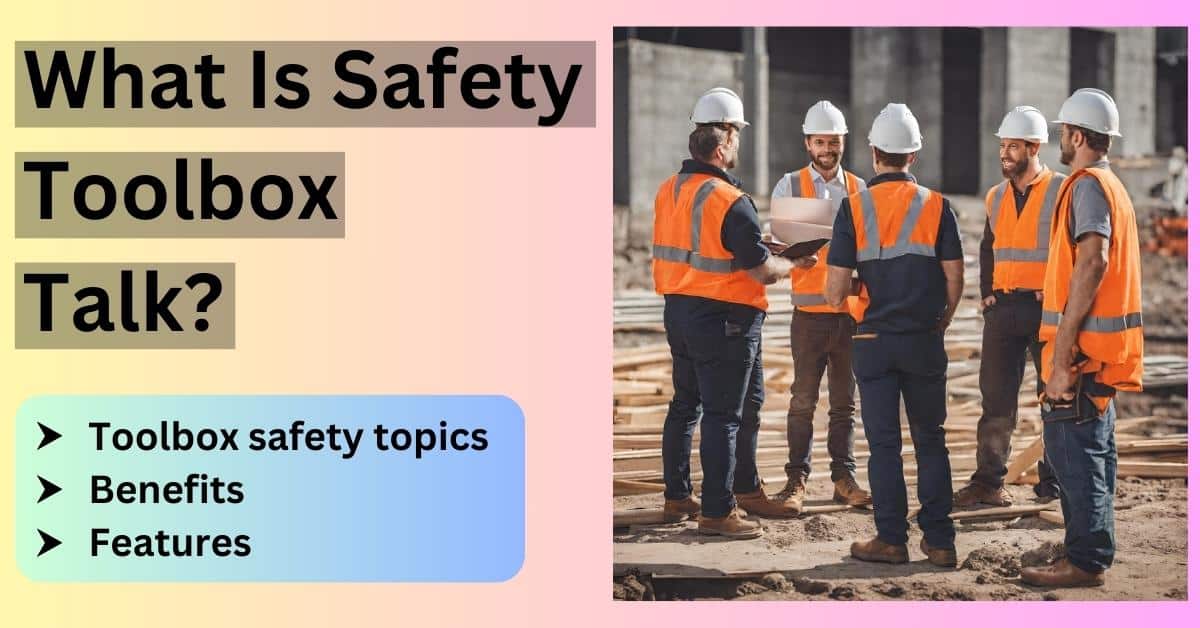
Most safety meetings fail before they begin. They’re rushed, repetitive, or disconnected from real risks workers face daily. Yet when done right, a single 10-minute toolbox talk can prevent an injury, change behavior, or even save a life. The difference isn’t in duration—it’s in relevance.
The strongest toolbox talks don’t rely on generic scripts. They tackle specific hazards tied to current tasks, evolving conditions, and team feedback. They’re interactive, focused, and grounded in what people actually encounter on the ground. This article breaks down the most critical toolbox talk safety topics, backed by real-world application and practical delivery methods.
What Makes a Toolbox Talk Effective?
A toolbox talk isn’t just another meeting. It’s a targeted safety intervention designed to reinforce awareness, communicate emerging risks, and promote safe behaviors—all in a short timeframe. But effectiveness hinges on execution.
Key elements of a successful toolbox talk: - Relevance: Tied to current work, equipment, or environmental conditions. - Brevity: Typically 5–10 minutes; focused on one clear topic. - Engagement: Workers participate—ask questions, share experiences, suggest improvements. - Documentation: Brief record kept for compliance and follow-up. - Actionability: Ends with clear takeaways or behavior changes.
For example, if crews are starting excavation work, a talk on “Recognizing Signs of Trench Collapse” is far more valuable than a generic “stay safe” reminder. The moment a worker spots soil cracking and calls a halt because they remembered that talk? That’s return on investment.
Top 10 High-Impact Toolbox Talk Safety Topics
Not all topics carry equal weight. Prioritize those with the highest risk potential and frequent exposure. These ten consistently deliver results across industries:
1. Hazard Identification in Dynamic Environments Conditions change hourly on active sites. A pre-shift talk focused on what’s different today—new equipment, weather shifts, altered traffic patterns—sharpens awareness.
Use case: After overnight rain, a supervisor leads a talk on slippery surfaces near scaffolding. Workers identify three previously overlooked zones and add warning cones.
2. Proper Use of Personal Protective Equipment (PPE) Complacency kills. Even experienced workers cut corners—earplugs left behind, harnesses unclipped, gloves removed for dexterity.
Common mistake: Assuming PPE is one-size-fits-all. A talk should cover task-specific requirements: high-visibility vests near traffic, cut-resistant gloves for handling sheet metal.
3. Lifting and Manual Handling Techniques Musculoskeletal injuries account for nearly 30% of workplace incidents. Short talks demonstrating correct posture, team lifts, and mechanical aid usage reduce strain.
Tip: Bring a load (e.g., a tool crate) and have workers practice safe lifting—bend knees, keep back straight, test weight first.
4. Working at Heights: Fall Prevention From ladders to elevated platforms, falls remain a leading cause of serious injury. Talks should reinforce guardrails, harness checks, and ladder stability.
Real-world trigger: After a near-miss where a ladder shifted on uneven ground, a team discusses securing base points and using stabilizers.
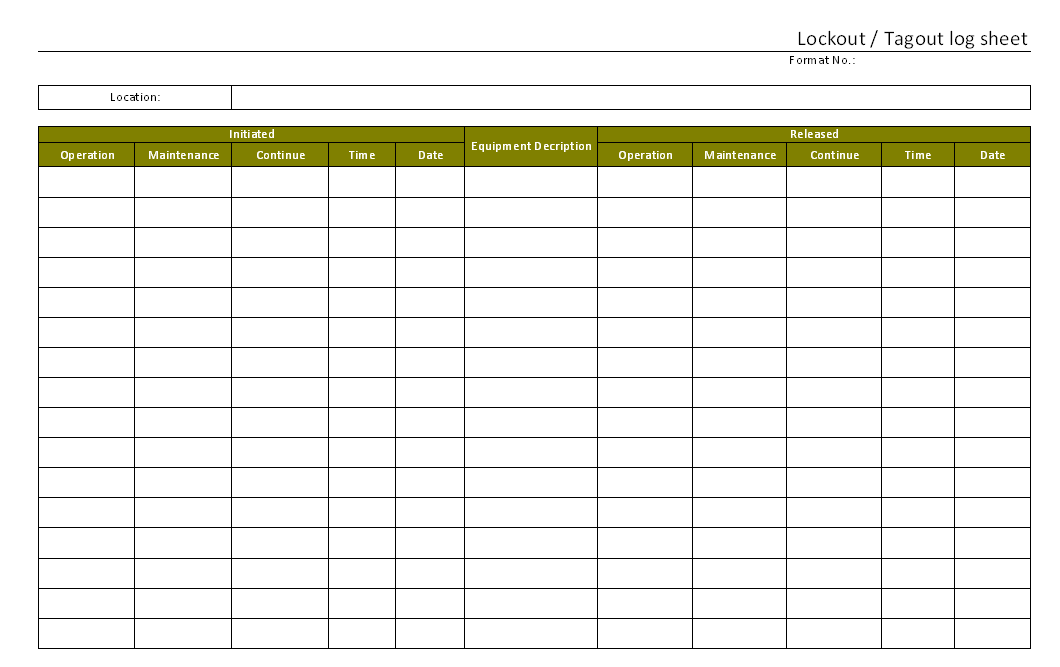
5. Electrical Safety Awareness Both qualified electricians and general laborers face risks. Talks should cover lockout/tagout (LOTO), overhead power lines, and damaged cords.
Critical reminder: Voltage isn’t the only danger—arc flashes can cause severe burns even without direct contact.
6. Confined Space Entry Procedures
These environments are unforgiving. Talks must emphasize permits, air monitoring, communication protocols, and rescue plans.
Mistake to avoid: Assuming a space is safe because it’s been entered before. Conditions can change due to residual gases or temperature shifts.
7. Hot Work and Fire Prevention Welding, cutting, brazing—these activities require strict controls. Talks should cover fire watches, flammable material storage, and extinguisher access.
Practical step: Review the fire response plan and confirm extinguishers are inspected and unblocked.
8. Hand and Power Tool Safety Tools are often treated casually, but misuse leads to lacerations, kickbacks, and electrocution. Emphasize inspections, guarding, and proper operation.
Example: A talk on angle grinders reviews the importance of using the guard and standing to the side during startup.
9. Slips, Trips, and Falls on the Same Level Often dismissed as “minor,” these incidents cause lost-time injuries and long-term disability. Talks should target housekeeping, cord management, and footwear.
Insight: A clean worksite isn’t just about order—it’s a leading indicator of safety culture.
10. Emergency Response Readiness Knowing what to do in an emergency saves lives. Talks should confirm knowledge of evacuation routes, first aid kit locations, and emergency contacts.
Drill integration: Pair the talk with a 60-second mock scenario—e.g., “If someone collapses near the generator, what’s step one?”
How to Deliver a Toolbox Talk That Sticks
Even the best topic fails if delivered poorly. Avoid the “read-and-dismiss” trap. Follow this workflow for engagement:
- Start with a real event – “Last week, a crew in Region 3 had a near-miss with a forklift. Here’s how we prevent that here.”
- Ask, don’t tell – “What hazards do you see with this new lift operation?”
- Demonstrate when possible – Show how to inspect a harness or set up a ladder.
- Confirm understanding – “John, if you see a frayed cable, what’s your next move?”
- Document and act – Note concerns raised and follow up on action items.
Supervisors who rotate topics monthly based on incident trends see 40% higher engagement than those using a static schedule.
Common Pitfalls and How to Avoid Them
Toolbox talks often become rote due to recurring mistakes:

| Mistake | Consequence | Fix |
|---|---|---|
| Talking at workers instead of with them | Low engagement, ignored advice | Use open-ended questions |
| Repeating the same topics monthly | Complacency | Rotate based on season, project phase, or incident data |
| Skipping documentation | Compliance risk | Use a simple sign-in sheet with topic and date |
| Holding talks in distracting areas | Poor retention | Move to a quiet, visible spot near the work zone |
A talk held near running machinery, with workers shouting to be heard, defeats the purpose. Location matters as much as content.
Industry-Specific Variations
While core topics overlap, customization increases impact:
- Construction: Focus on crane operations, scaffolding, and falling objects.
- Manufacturing: Emphasize machine guarding, LOTO, and chemical exposure.
- Utilities: Prioritize arc flash, confined spaces, and high-voltage awareness.
- Oil & Gas: Address hydrogen sulfide (H2S), flare-ups, and remote site comms.
Tailoring ensures workers see the talk as essential, not just another box to check.
Measuring the Impact of Your Safety Talks
A talk isn’t effective just because it happened. Track outcomes:
- Reduction in near-misses or reportable incidents
- Increased safety observations submitted by workers
- Higher participation rates in discussions
- Audit findings related to topic areas
One contractor reduced hand injuries by 60% over six months by running a focused series on tool handling, supported by weekly talks and on-site reinforcement.
Integrating Technology into Toolbox Talks
Digital tools streamline delivery and tracking without losing the human element:
- Mobile apps – Use platforms to schedule topics, deliver content, and capture signatures.
- QR codes – Post codes at high-risk zones linking to micro-talks (e.g., scan to watch a 2-minute ladder safety clip).
- Photo logs – Supervisors share before/after photos of hazard fixes discussed in talks.
Technology supports consistency but shouldn’t replace face-to-face interaction. The best systems enhance, not replace, the supervisor’s role.
Final Thoughts: Turn Minutes into Momentum
Toolbox talks are more than a compliance task—they’re a culture driver. When done with intention, they build shared responsibility, strengthen team communication, and create a reflex for safety.
Pick one high-risk area your team faces this week. Craft a 7-minute talk around it. Start with a question, not a lecture. Bring in a real example. End with a clear action. Do that consistently, and you won’t just check a box—you’ll change outcomes.
FAQ
What is the ideal length for a toolbox talk? Keep it between 5 and 10 minutes. Focus on one topic to maintain attention and clarity.
How often should toolbox talks be held? At minimum, weekly. High-risk or dynamic sites benefit from daily talks.
Who should lead a toolbox talk? Supervisors or competent personnel familiar with the work and hazards.
Do toolbox talks need to be documented? Yes. Record the date, topic, attendees, and any actions for compliance and tracking.
Can toolbox talks be conducted remotely? For field teams, in-person is best. Remote teams can use video calls with interactive elements.
Should toolbox talks be the same across all sites? No. Customize content based on site-specific hazards, tasks, and incident history.
What if workers aren’t engaged during the talk? Shift from lecture to dialogue. Ask for experiences, use demonstrations, and keep it practical.
FAQ
What should you look for in Essential Toolbox Talk Safety Topics for Every Worksite? Focus on relevance, practical value, and how well the solution matches real user intent.
Is Essential Toolbox Talk Safety Topics for Every Worksite suitable for beginners? That depends on the workflow, but a clear step-by-step approach usually makes it easier to start.
How do you compare options around Essential Toolbox Talk Safety Topics for Every Worksite? Compare features, trust signals, limitations, pricing, and ease of implementation.
What mistakes should you avoid? Avoid generic choices, weak validation, and decisions based only on marketing claims.
What is the next best step? Shortlist the most relevant options, validate them quickly, and refine from real-world results.